

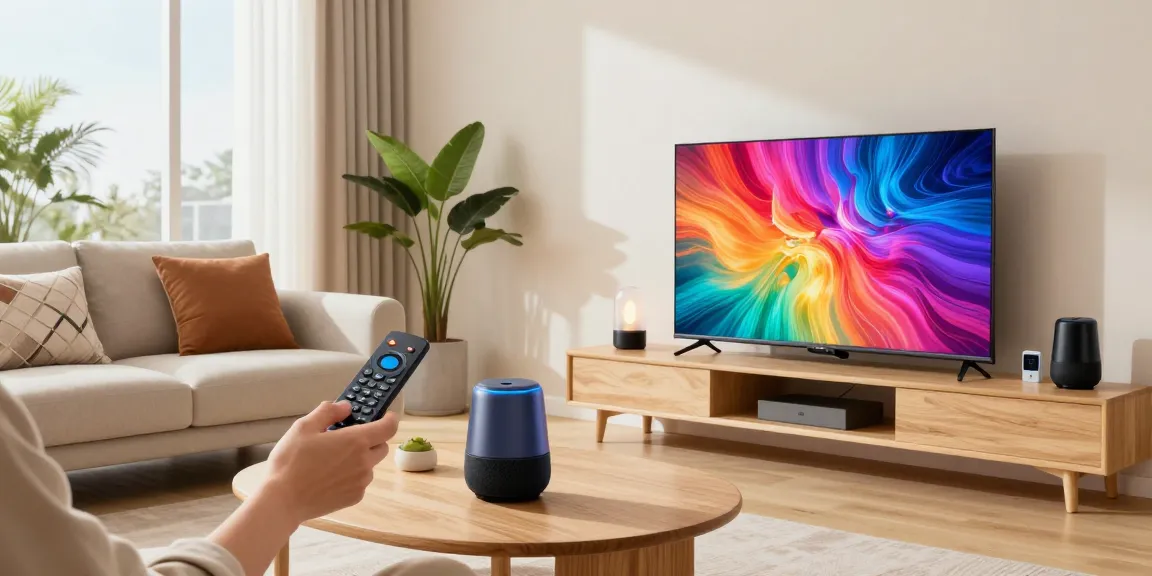
Understanding Your Home Electronics Needs
As our lives become increasingly intertwined with technology, the demand for effective home electronics has grown. From smart assistants to energy-efficient appliances, understanding the myriad of options available can feel overwhelming. However, ROKOK88 simplifies this journey, offering an extensive range of solutions tailored for contemporary households. When exploring options, https://rokok88.fyi provides comprehensive insights into selecting the right products that cater to your lifestyle needs.
What types of electronic devices enhance home functionality?
In today’s digital age, several categories of electronics significantly enhance home functionality:
- Smart Home Devices: These include smart lights, thermostats, and security systems that can be controlled remotely through your smartphone or voice commands.
- Kitchen Appliances: Innovative gadgets like air fryers, smart ovens, and robotic vacuum cleaners not only improve efficiency but also make daily cooking and cleaning a breeze.
- Home Entertainment Systems: Televisions, sound systems, and streaming devices that integrate seamlessly ensure you can enjoy content from multiple sources without hassle.
How can you assess your lifestyle for the right electronics?
Your lifestyle significantly influences your electronic needs. Begin by evaluating your daily routines:
- Consider how much time you spend at home and which activities dominate your schedule—entertainment, cooking, or remote working?
- Identify any pain points or inefficiencies in your current setup that could benefit from technological upgrades.
- Assess your family’s tech-savviness; simpler devices may be optimal if young children or elderly family members are involved.
What are the common misconceptions about home electronics?
Many consumers hold misconceptions that can lead to poor purchasing decisions:
- All Smart Devices Require a High Initial Investment: While high-end brands may be costly, budget-friendly smart devices also exist that offer substantial functionality.
- More Features Mean Better Quality: It’s essential to determine if the additional features are relevant to your needs rather than being swayed by flashy specifications.
- All Electronics Are Complicated: Many modern devices are designed with user-friendliness in mind, making them accessible even to those with limited tech experience.
Evaluating Product Quality and Reliability
In an era flooded with choices, ensuring the quality and reliability of your home electronics is paramount. The longevity of your investments hinges on these factors. The right choice will not only save money in replacements but also enhance everyday comfort.
What features define high-quality home electronics?
To ascertain quality, consider the following features:
- Durability: High-quality electronics are often built to withstand daily use without significant wear and tear.
- Energy Efficiency: Look for Energy Star ratings or similar certifications that indicate energy-saving capabilities, translating to lower utility bills.
- Brand Reputation: Established brands usually maintain consistent quality standards, backed by customer support and warranties.
How can customer reviews help in decision-making?
Customer reviews provide valuable insights that can influence your purchasing decisions:
- Reading both positive and negative feedback can help highlight a product’s strengths and weaknesses.
- Look for patterns; multiple complaints about similar issues can indicate potential problems.
- Consider the context of reviews; for example, tech-savvy users may have different expectations than novices.
What warranties and support should you expect?
When investing in electronics, a robust warranty and reliable customer support are essential:
- Warranties should cover parts and labor for a reasonable duration, typically one to three years.
- Support options, such as customer service lines or online chat, can be crucial if you run into any issues.
- Check if the manufacturer offers software updates, especially for smart devices; this can significantly extend the product’s lifespan.
Budgeting for Smart Home Solutions
Budgeting for home electronics requires strategic planning to balance quality and affordability. With a myriad of options available, setting a budget can help you prioritize your purchases effectively.
How to create a budget for upgrading home electronics?
Consider the following steps:
- Analyze your current electronics and identify which need upgrading or replacement.
- Research prices and set a realistic budget based on your desired upgrades.
- Factor in additional costs such as installation, maintenance, and potential subscription services.
Are there cost-effective alternatives to premium brands?
While premium brands often offer cutting-edge features, alternatives can deliver value without breaking the bank:
- Look for emerging brands that provide high-quality products at lower prices.
- Refurbished or open-box items can also be excellent options for budget-conscious consumers.
- Consider generic brands that have good customer reviews and comparable features to established names.
How to balance cost with quality and functionality?
Striking a balance between cost, quality, and functionality is crucial:
- Prioritize your needs; invest more in devices that offer significant functionality for your lifestyle.
- Set a cap for what you are willing to spend on luxury versus essential items.
- Follow sales and seasonal promotions to acquire high-quality items at reduced prices.
Integrating Technology Seamlessly
Successfully integrating technology into your home requires careful planning and execution. A seamless integration enhances usability and ensures that your smart home systems work harmoniously.
What steps are needed for a smart home setup?
To establish your smart home, follow these key steps:
- Map your home layout to determine where devices will be most effective.
- Choose a central hub to control all devices, such as a smart speaker or dedicated app.
- Install devices systematically, testing each one for connectivity before adding the next.
How to ensure compatibility between devices?
Compatibility is essential to the efficiency of your smart home:
- Verify that devices operate on the same protocol (e.g., Zigbee, Z-Wave, Wi-Fi).
- Choose products that specify compatibility with your central hub.
- Keep software and firmware updated to ensure ongoing compatibility and features.
What are the best practices for setting up a smart home ecosystem?
To create a cohesive smart home environment:
- Group devices by function or room for easier control and monitoring.
- Utilize automation features to simplify everyday tasks (e.g., scheduling lights to turn on at dusk).
- Regularly reassess your ecosystem to incorporate new technologies and protocols.
Future-Proofing Your Electronics Investment
Future-proofing your electronic purchases protects your investment and ensures you remain at the forefront of technology.
What trends in home technology should you be aware of?
Stay updated on emerging trends, including:
- Increased AI integration in home devices for personalized user experiences.
- Enhanced security features in smart home systems, including biometrics and facial recognition.
- Developments in sustainable technology, such as energy-efficient appliances and smart thermostats that optimize energy use.
How to select devices that adapt to future upgrades?
To ensure your devices are future-proof:
- Search for products that allow software updates or expansions.
- Choose modular systems that can be enhanced with additional components.
- Invest in devices that support multiple connectivity standards for broader compatibility.
What are the indicators of emerging technology trends?
Recognizing emerging trends involves observing several indicators:
- Monitor technology news sources and industry reports for insights on upcoming innovations.
- Attend trade shows or expos to see new technologies firsthand.
- Engage in online forums or communities to share experiences and insights with other technology enthusiasts.
What should you consider for ongoing maintenance?
To maintain your electronics effectively:
- Schedule regular updates for smart devices to ensure security and functionality.
- Keep an inventory of maintenance tasks to avoid overlooking any equipment.
- Establish a routine for cleaning and troubleshooting to extend the life of your electronics.
How do you stay updated on new electronics releases?
Staying informed about new product releases can be achieved through:
- Following reputable technology blogs and websites that specialize in electronics reviews.
- Subscribing to newsletters from electronics manufacturers for announcements on new products.
- Engaging with social media platforms where technology influencers share insights and reviews.
What role do energy efficiency ratings play in your investment?
Energy efficiency ratings are crucial for both economic and environmental reasons:
- Products with higher energy efficiency ratings can significantly reduce energy bills over time.
- Look for certifications like Energy Star, which indicate that a product meets strict energy efficiency guidelines.
- Investment in energy-efficient devices often leads to government rebates or incentives that can offset costs.


